
All Saints' Day in Italy: History, Traditions & Celebrations

Every November, Italy observes two deeply meaningful days that bring together centuries of religious faith, family traditions, and remembrance. All Saints' Day (Ognissanti), celebrated on November 1, honors the saints of the Catholic Church, while All Souls' Day (Il Giorno dei Morti), observed on November 2, remembers loved ones who have passed away.
Throughout Italy, these two days are marked by church services, family gatherings, visits to cemeteries, and delicious regional foods. From the flower-filled cemeteries of Tuscany to the traditional sweets of Sicily, these celebrations offer a fascinating glimpse into Italy's enduring cultural and spiritual heritage.
What Is All Saints' Day in Italy?
Known in Italian as Ognissanti or Tutti i Santi, All Saints' Day is one of Italy's most important Catholic celebrations and a national public holiday. On November 1, Italians honor all the saints who have attained eternal life in heaven, including both officially recognized saints and those whose names are unknown. Schools, government offices, and many businesses close for the holiday, allowing families to attend Mass, spend time together, and participate in religious observances.
For practicing Catholics, the day is a joyful celebration of holiness and the promise of eternal life. It is also an opportunity to reflect on the examples set by beloved saints such as St. Francis of Assisi, St. Anthony of Padua, St. Padre Pio, and St. Michael the Archangel. These saints hold a special place in Italian religious life, and their images can be found throughout Italy in churches, family homes, religious paintings, and traditional hand-painted ceramics.
The History of All Saints' Day: From Ancient Rome to Modern Italy
The origins of All Saints' Day reach back to the early centuries of Christianity, when Christians honored those who had been martyred for their faith. During the Roman persecutions, many Christians lost their lives rather than renounce their religious beliefs. Their fellow Christians commemorated the anniversaries of their deaths with prayers and religious services. As the number of martyrs increased, the Church began establishing collective celebrations to honor them.
A significant development occurred in 609 or 610 AD, when Pope Boniface IV consecrated Rome's ancient Pantheon, formerly a pagan temple, as a Christian church dedicated to the Virgin Mary and all the martyrs. The dedication was celebrated on May 13, an early date associated with the feast.
During the eighth century, Pope Gregory III established a November 1 observance honoring all the saints in connection with a chapel at St. Peter's Basilica. The celebration subsequently spread throughout Western Christianity, eventually becoming one of the most important feast days in the Catholic calendar.
Today, more than a thousand years later, Italians continue to observe All Saints' Day with traditions that connect modern family life to their country's ancient Christian heritage.
All Souls' Day in Italy: November 2
The day following All Saints' Day is equally meaningful. November 2 is All Souls' Day, known in Italy as Il Giorno dei Morti or La Commemorazione dei Defunti. While All Saints' Day celebrates those who have attained heaven, All Souls' Day is dedicated to remembering and praying for departed family members, friends, and all the faithful who have died. The observance became more widely established in 998 AD, when St. Odilo, the Benedictine abbot of Cluny in France, directed the monasteries under his authority to dedicate November 2 to prayers for the departed. The tradition gradually spread throughout the Catholic Church. In Italy, All Souls' Day remains an important expression of the close ties between generations, even among families who are not regular churchgoers.
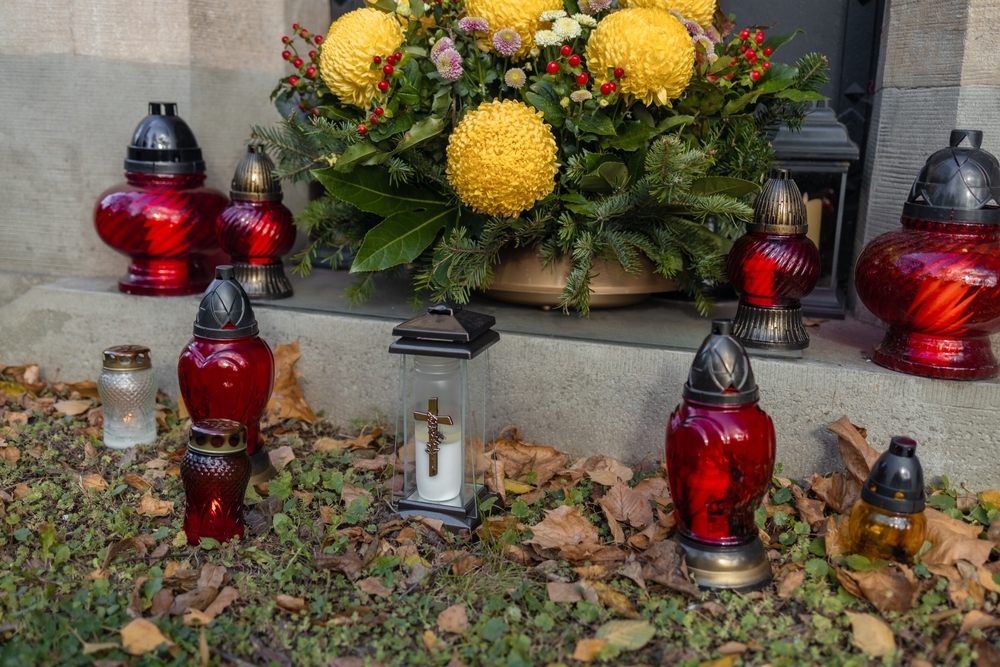
Why Do Italians Bring Chrysanthemums to Cemeteries?
One of the most recognizable customs associated with early November in Italy is the tradition of visiting family graves. Families gather at cemeteries to clean gravestones, place flowers, light candles, and offer prayers for departed loved ones.
Chrysanthemums, known in Italian as crisantemi, are especially significant.
Unlike in some countries, where chrysanthemums are cheerful autumn flowers, in Italy they are closely associated with mourning, remembrance, and respect for the dead. During the days surrounding November 1 and 2, Italian flower markets overflow with beautiful white, yellow, and bronze chrysanthemums. For many Italian families, tending the graves of parents, grandparents, and earlier generations is a cherished tradition passed down through the centuries.
Italian All Saints' Day and All Souls' Day Food Traditions
As with nearly every Italian holiday, food plays an important role in bringing families together. Although dishes vary considerably from region to region, special breads, cookies, and sweets are associated with the beginning of November.
Some of the most beloved traditional treats include:
Ossa dei Morti — Bones of the Dead
Despite their rather startling name, Ossa dei Morti are traditional Italian cookies associated with All Souls' Day. Often made with almonds, sugar, and spices, these crisp cookies are shaped or named to resemble bones. Different regions have their own versions of this centuries-old sweet.
Pan dei Morti — Bread of the Dead
Popular particularly in Lombardy and parts of northern Italy, Pan dei Morti is a rich, spiced sweet traditionally prepared around All Souls' Day. Recipes commonly include crushed biscuits, dried fruit, raisins, nuts, cocoa, and warm spices. The resulting treat is dense, fragrant, and especially delicious with a cup of Italian espresso.
Rame di Napoli — Traditional Sicilian Chocolate Cookies
Despite their name, Rame di Napoli, or Copper of Naples, are closely associated with the Sicilian city of Catania. These soft, chocolate-flavored cookies are traditionally enjoyed during the celebrations surrounding All Souls' Day. They are often covered with chocolate glaze and sometimes decorated with pistachios or other toppings.
'Nzuddi — Sicilian Almond Cookies
Another Sicilian specialty, 'Nzuddi are traditional almond cookies associated with the autumn season and the Feast of the Dead. Made with almonds, sugar, and citrus flavorings, these rustic cookies reflect Sicily's rich culinary heritage.
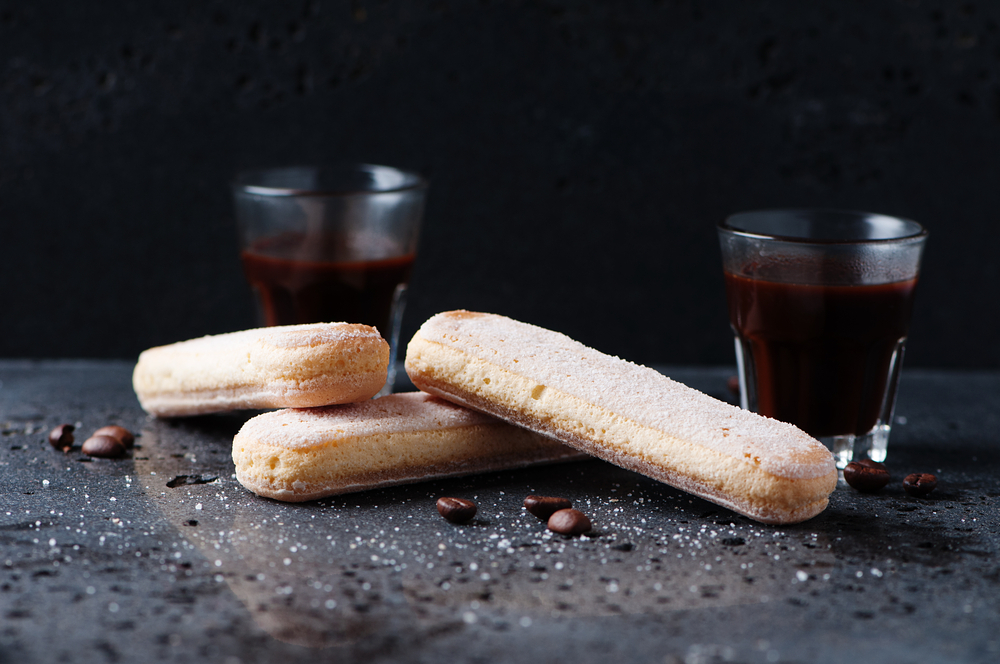
Unique All Souls' Day Traditions in Sicily
Perhaps some of Italy's most fascinating All Souls' Day customs can be found in Sicily. Here, La Festa dei Morti has traditionally been an occasion when children receive sweets and small gifts believed to have been brought by deceased relatives. In some families, children awaken on November 2 to discover treats hidden around the house. The custom offers a gentle way of teaching younger generations that departed loved ones remain an important part of family life.
Traditional Sicilian sweets include Frutta Martorana, colorful marzipan fruits made from almond paste, and Pupi di Zucchero, elaborately decorated sugar figures. These edible creations are often displayed in pastry shops during the days leading up to the holiday.
Rather than focusing exclusively on sadness, Sicilian traditions emphasize affection, family memories, and the continuing bonds between generations.
All Souls' Day Traditions in Sardinia
The Italian island of Sardinia also preserves distinctive customs associated with remembering the dead. In some Sardinian communities, families traditionally left food on the table overnight as a symbolic offering to departed relatives. The custom reflected the folk belief that the spirits of loved ones might return to visit their former homes. Children in certain communities also participated in traditions resembling trick-or-treating, visiting neighbors and requesting food or sweets in remembrance of the dead. Although these customs are not practiced by every Sardinian family today, they remain an intriguing part of the island's cultural heritage.
The Meaning of All Saints' Day in Italian Culture
All Saints' Day and All Souls' Day are much more than dates on Italy's religious calendar. Together, they express values that have shaped Italian society for centuries: faith, family, tradition, and respect for those who came before us. The celebrations connect generations through familiar rituals, cherished family recipes, and the remembrance of ancestors. They also reflect the extraordinary influence of Catholicism on Italian art and craftsmanship. Throughout Italy, the images of saints appear in magnificent cathedral mosaics, Renaissance paintings, sculptures, roadside shrines, and beautifully hand-painted ceramic tiles.
Honoring Italy's Saints Through Traditional Ceramic Art
For centuries, Italian artisans have depicted patron saints and religious figures in hand-painted ceramics, creating devotional works that can be displayed in homes and churches. These beautiful pieces represent a connection between Italy's artistic heritage and its religious traditions.
At Merchant of Prato, we celebrate this heritage through our collection of hand-painted Italian ceramic saint tiles, featuring beloved religious figures and traditional Italian craftsmanship.
Explore Our Italian Ceramic Saint Tiles
As November approaches, the Italian traditions of Ognissanti and Il Giorno dei Morti remind us of the importance of honoring the past, celebrating the lives of the saints, and keeping the memories of our loved ones alive.
Remembering those who came before us is one of Italy's most enduring and beautiful traditions.
Memento Mori — Remember that you must die.
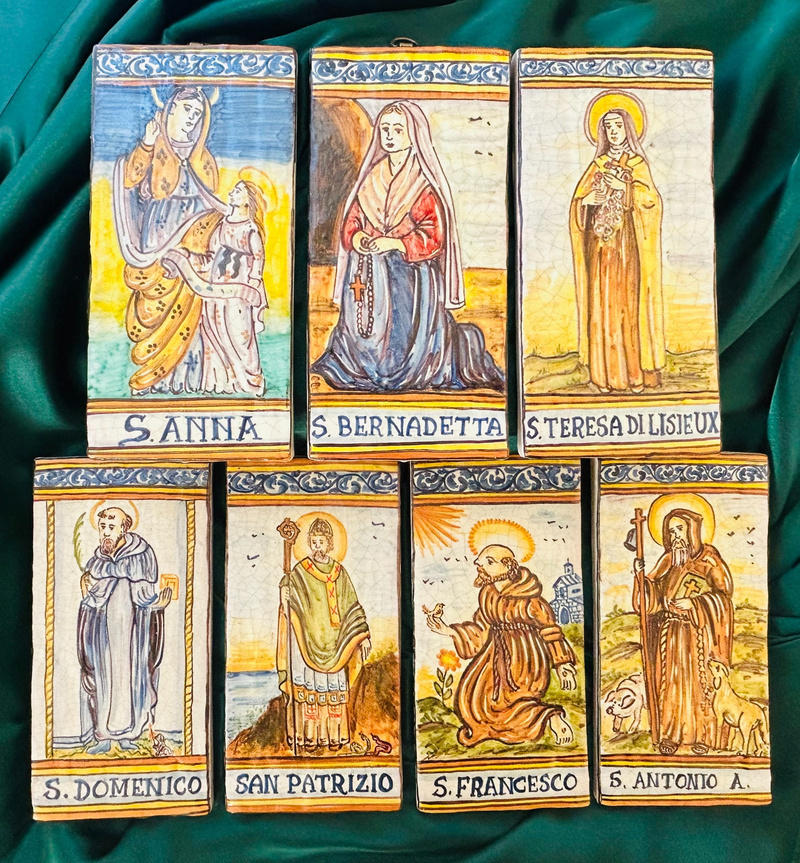
Purchase Italian Ceramic Saint Tiles
Newest Guide & Blog Updates

All Saints' Day in Italy: History, Traditions & Celebrations
Every November, Italy observes two deeply meaningful days that bring together centuries of religious...

Nicchio is the Palio di Siena Winner!! – August 18, 2026
The Nobile Contrada del Nicchio has won the Palio di Siena Horse Race of August 18, 2026 with Jockey...

What Is Italian Espresso? The Coffee, the History & the Perfect Roast
When shopping for coffee beans for my espresso machine, I am often confused. I always buy “Espresso...
Deruta Pottery: History of Italy's Famous Hand-Painted Ceramics
For centuries, the small Umbrian hill town of Deruta, Italy, has been celebrated for producing some...
Palio di Siena Winners: Complete List of Past Winners & Contrade
First held in 1656, The Palio di Siena, otherwise known as "Il Palio", is one of the oldest and most...
Palio di Siena - The Winner of the July 2, 2026 is Aquila
The Nobile Contrada dell'Aquila (Aquila) won the Palio di Siena Horse Race July 2, 2026, which took...