
Italian Pottery Marks: What "Made in Italy," "Dipinto a Mano" & Other Marks Mean
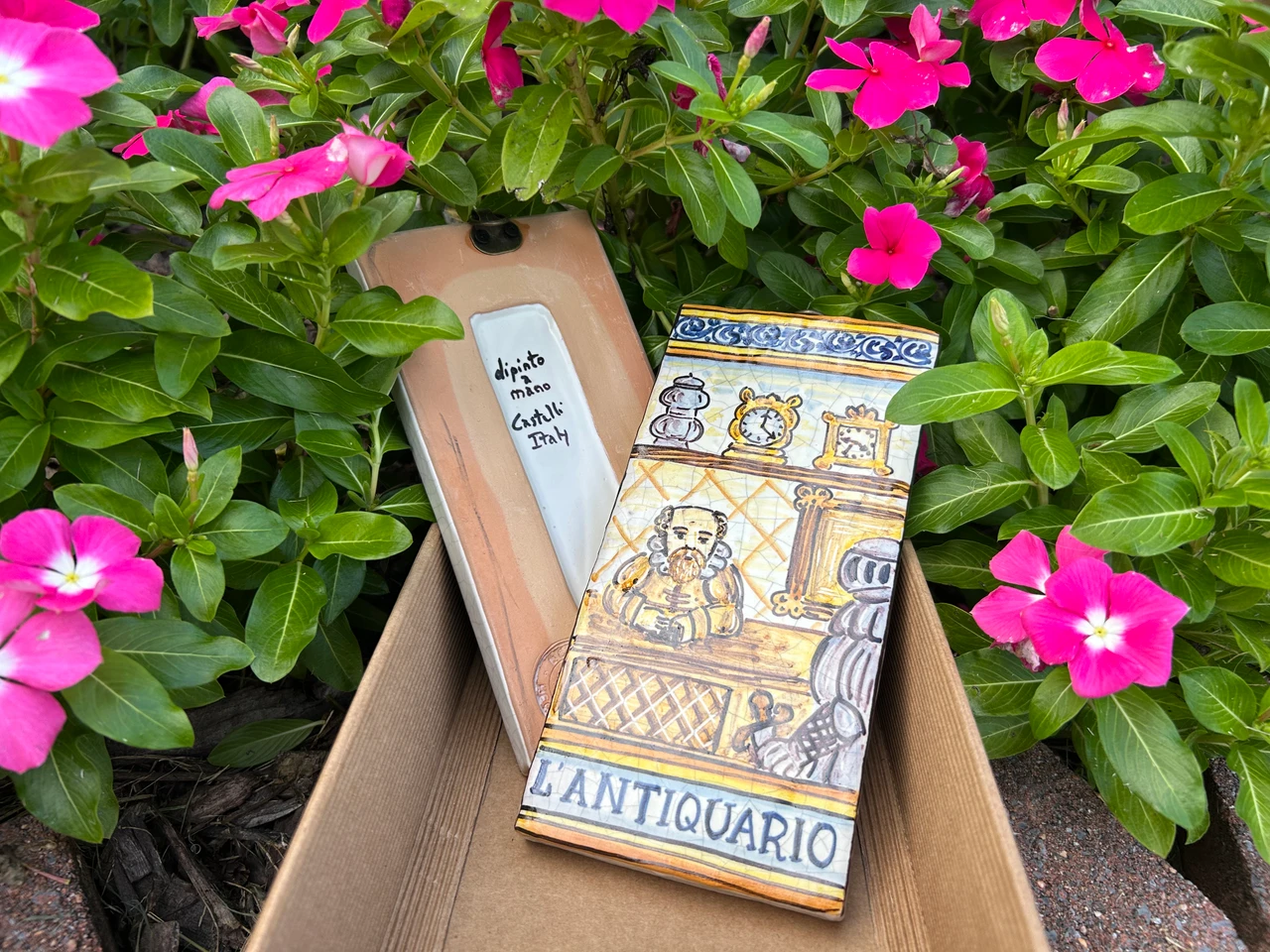
Handcrafted pottery has been a hallmark of the Italian peninsula for a very long time – The Greeks, The Etruscans and the Romans – but it was during the Renaissance in the 15th-16th century, that Italy gained fame for her exception pottery known as majolica – a tin-glazed earthenware decorated with colorful designs.
As trade developed and expanded, towns such as Deruta and Castelli began inscribing their pottery with distinctive symbols to differentiate their authentic Italian pottery from cheaper imitations. By the 19th century, the phrase “Made in Italy” became an international standard guaranteeing authentic ceramics handcrafted in Italy.
But you may ask why did the Italians sign their pottery “Made in Italy” and not “Fatto in Italia”?
Initially, this was done so that their Italian ceramics would be easily recognized abroad. In addition, in 1921, U.S. Customs began forcing Italian pottery (and all imported goods) to be marked with "Made in [Country]" under an amendment to the McKinley Tariff Act. This required the item's origin to be preceded by the phrase "Made in" and written in English (e.g., changing "Italia" to "Italy").
By the 1980’s, the English expression "Made in Italy" began being used by Italian manufacturers as part of an effort to promote and protect the Italian identity of their products, and to emphasize Italy's distinctiveness in international markets.
While a piece of Italian pottery might be legally required to be marked in English "Made in Italy" for customs, authentic handmade Italian ceramics often also feature the specific town of origin (e.g., Deruta or Faenza or Castelli) and "dipinto a mano" which means "hand-painted". In addition, some workshops may mark their pottery with their company name hand painted. And you may see a series of numbers on some pottery.
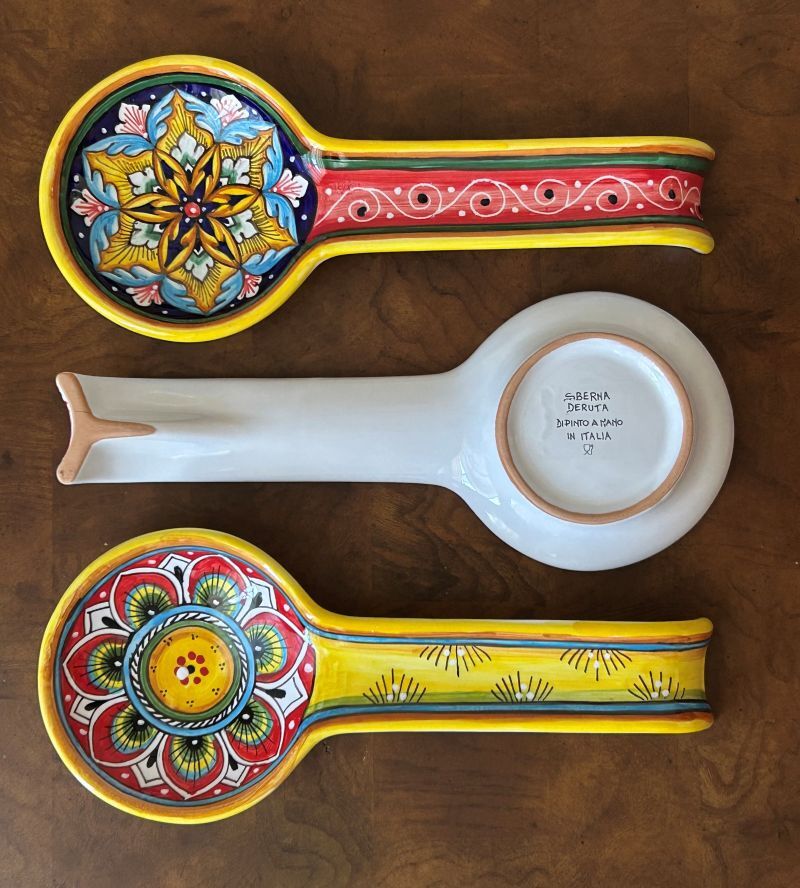
What do those numbers on the back of my Italian Pottery signify?
Those numbers on the bottom of your Italian pottery usually refer to production codes rather than a date or a high-value serial number. They act as the "DNA" of the piece, to aid the factory in its management of inventory, molds, and decorative designs.
The first number, a combination of 2 to 4 digits (e.g. (915-16) is used to identify the specific mold shape. This allows the factory to cast and replicate a vase or bowl identically. The second number (16) indicates the artist or a particular painting style or color.
So when shopping for authentic, handcrafted Italian ceramics ensure that your pottery is marked “Made in Italy” to ensure authenticity and durability.
Newest Guide & Blog Updates

Nicchio is the Palio di Siena Winner!! – August 18, 2026
The Nobile Contrada del Nicchio has won the Palio di Siena Horse Race of August 18, 2026 with Jockey...

What Is Italian Espresso? The Coffee, the History & the Perfect Roast
When shopping for coffee beans for my espresso machine, I am often confused. I always buy “Espresso...
Deruta Pottery: History of Italy's Famous Hand-Painted Ceramics
For centuries, the small Umbrian hill town of Deruta, Italy, has been celebrated for producing some...
Palio di Siena Winners: Complete List of Past Winners & Contrade
First held in 1656, The Palio di Siena, otherwise known as "Il Palio", is one of the oldest and most...

Palio di Siena - The Winner of the July 2, 2026 is Aquila
The Nobile Contrada dell'Aquila (Aquila) won the Palio di Siena Horse Race July 2, 2026, which took...
History of the Raffaellesco Deruta Pattern
The Raffaellesco pattern, renowned for its central motif of the benevolent dragon, surrounded by int...