
No Tomatoes in Italy? History of Italian Tomato Sauce

Imagine that you have time traveled back to Italy to the year 1425. After such a stressful trip, you are absolutely famished. You crave a big bowl of homemade Italian pasta covered in fresh tomato sauce or a pizza covered in Margherita tomato sauce with fresh mozzarella. You decide to enter the first establishment that you see and satisfy this crazing.
You sit down and inquire as to what is on the menu. There is pasta but it is served with either sweet and savory, spiced sauces or cheese. And there is something like pizza, but it is called panis focacius and is what we would refer to as focaccia or flatbread topped with olive oil and herbs. When you inquire as to the availability of any dishes with tomato sauce, the server looks at you with a puzzling glance.
"What is this tomatoe sauce?" the server inquires.
Turns out.
There were no tomatoes in Italy!

Where Did Tomatoes Originally Come From?
Although tomatoes have become synonymous with Italian cuisine, they are not native to Italy—or even Europe. Tomatoes originated in the Americas, with wild ancestors growing in the Andean regions of South America, particularly in areas of present-day Peru and Ecuador. Over many centuries, tomatoes were cultivated and developed by Indigenous peoples throughout the Americas, including in Mexico, where they became an important part of the local diet. The Aztecs called the tomato tomatl, a word that eventually gave us the English name "tomato." Long before Europeans discovered the delicious possibilities of tomato sauce, people in Mexico were already preparing dishes using tomatoes and chili peppers.
So how did this distinctly American fruit become one of the most beloved ingredients in Italian cooking?
The answer begins with the voyages of European explorers.
Christopher Columbus and the Columbian Exchange
In 1492, Christopher Columbus made his first voyage across the Atlantic, initiating an era of sustained contact between Europe and the Americas. The centuries that followed brought an enormous exchange of plants, animals, foods, and other goods between the Old World and the New World. Historians refer to this process as the Columbian Exchange.
The Spanish introduced horses, cattle, pigs, sheep, chickens, wheat, sugar cane, rice, coffee, grapes, bananas, and citrus fruits to the New World and the New World provided Europe with newfound commodities, such as corn (maize), potatoes, sweet potatoes, beans, cacao (chocolate), vanilla, peanuts, pineapples, chili peppers and tomatoes.
By the mid-1500s, tomatoes were being described by Italian botanists. But the Italians were not immediately enthusiastic about eating them. In fact, quite the opposite!
Why Were Italians Afraid to Eat Tomatoes?
Today, it is difficult to imagine anyone being suspicious of a tomato. Yet when tomatoes first appeared in Europe, they were unfamiliar, exotic, and sometimes regarded with considerable suspicion. One reason was their botanical relationship to the nightshade family, known as Solanaceae.
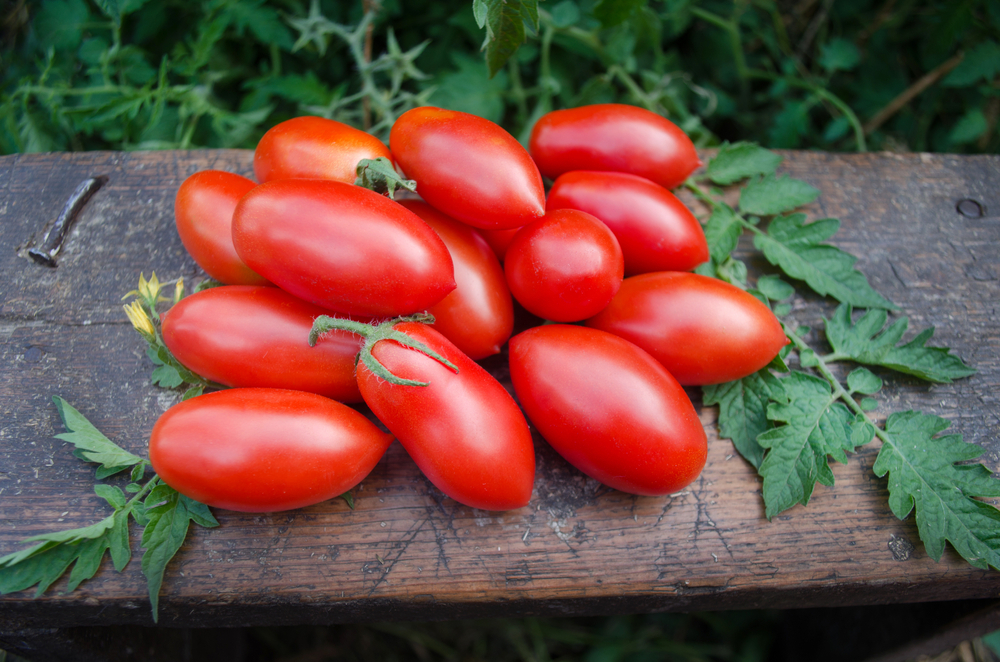
This plant family includes both familiar foods, such as tomatoes, potatoes, and eggplants, and poisonous plants, such as deadly nightshade. Because Europeans were unfamiliar with the tomato, some worried that it might be dangerous to eat. Early tomatoes were also quite different from many of the large, bright red varieties we enjoy today. Some were small, yellow, or unusually shaped. In fact, the Italian name for the tomato, pomodoro, literally means "golden apple," reflecting the yellow coloring of some early varieties.
For a time, tomatoes were admired as botanical curiosities and ornamental garden plants rather than embraced as everyday food.
Imagine growing beautiful tomatoes in your garden but being too suspicious to eat them!
Fortunately, that would eventually change.
How Tomatoes Became Popular in Southern Italy
Southern Italy provided an excellent environment for growing tomatoes. The warm Mediterranean climate, abundant sunshine, and favorable growing conditions made regions such as Campania particularly suitable for tomato cultivation. Over time, tomatoes became increasingly popular in southern Italian cooking.
They were relatively inexpensive to grow, productive, and capable of adding wonderful flavor to simple meals. For families with limited resources, tomatoes offered a delicious way to enhance dishes made with pasta, vegetables, bread, and other affordable ingredients.
Today, the area surrounding Naples is especially famous for its tomatoes, including the celebrated San Marzano varieties grown in the region. These tomatoes are prized for their flavor and are widely associated with traditional Italian tomato sauces.
When Was Italian Tomato Sauce Invented?
Although tomatoes arrived in Italy during the sixteenth century, it took many decades before tomato sauce began appearing in surviving Italian cookbooks. One of the earliest known printed recipes for tomato sauce appeared in 1692, in a cookbook titled Lo Scalco alla Moderna (The Modern Steward).
The author was Antonio Latini, an Italian chef and kitchen steward who worked in Naples. His recipe described a tomato sauce prepared in the Spanish style, incorporating ingredients such as tomatoes, onions, chili peppers, and seasonings. It was quite different from the simple tomato-and-basil sauces we associate with Italian cooking today. Nevertheless, this early recipe marked an important moment in the history of Italian cuisine.
During the eighteenth and nineteenth centuries, tomato-based cooking became increasingly popular, particularly in southern Italy. Eventually, tomatoes became an essential ingredient in countless regional dishes. And that brings us to one of Italy's most famous culinary partnerships.
When Did Italians Start Putting Tomato Sauce on Pasta?
Pasta existed in Italy long before tomatoes arrived. Medieval and Renaissance Italians enjoyed various forms of pasta, often served with cheese, butter, spices, or other savory ingredients. Some preparations even combined sweet and savory flavors, reflecting the tastes of the period.
But pasta covered in tomato sauce? That came much later.
By the late eighteenth century, Italian cookbooks were beginning to describe combinations of pasta and tomatoes. During the nineteenth century, pasta with tomato sauce became increasingly established, especially in Naples and southern Italy. What began as a relatively simple combination of ingredients would eventually become one of the most recognizable dishes in the world.
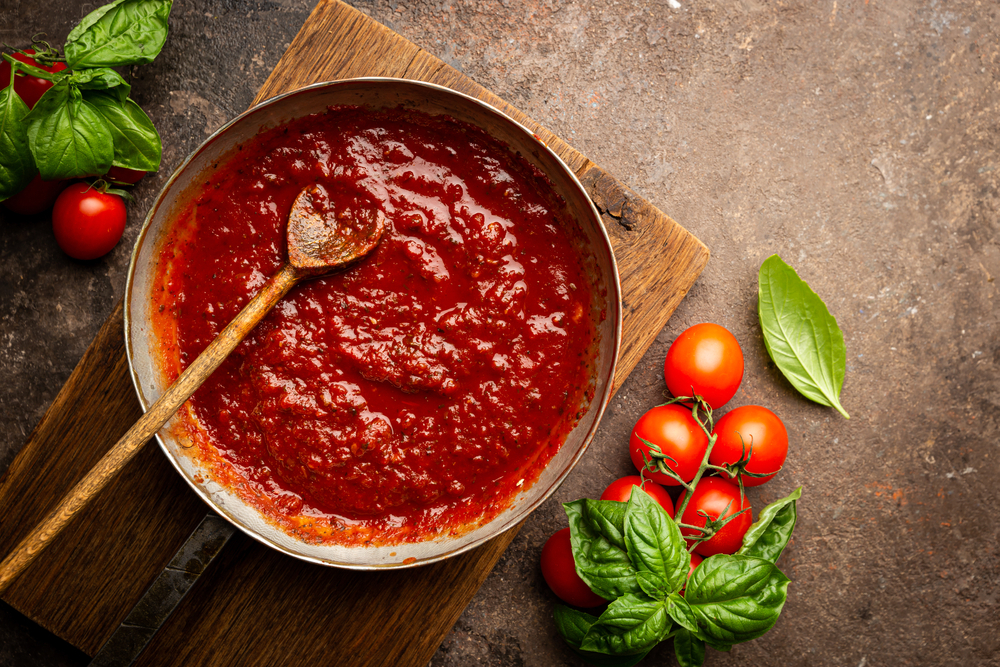
Today, it is almost impossible to imagine Italian cuisine without spaghetti al pomodoro, pasta marinara, or a rich tomato-based ragù. Yet for most of Italy's history, none of these familiar dishes existed in their modern forms.
And What About Pizza? Was There Pizza Before Tomatoes?
Absolutely!
Flatbreads have been enjoyed around the Mediterranean for thousands of years. Long before tomatoes reached Italy, people prepared breads topped with ingredients such as olive oil, herbs, cheese, and other seasonings. One ancient predecessor was panis focacius, a flatbread baked near the hearth, from which the word "focaccia" is derived. But the famous tomato-topped pizzas of Naples developed much later.
As tomatoes became increasingly popular in southern Italy, Neapolitan cooks began adding them to flatbreads. By the nineteenth century, tomato-based pizza had become an established part of Naples' food culture. One of the most famous varieties is pizza Margherita, traditionally prepared with tomatoes, mozzarella, and fresh basil. Its red, white, and green ingredients recall the colors of the Italian flag.
The popular story that pizza Margherita was created specifically for Queen Margherita in 1889 remains part of Italian culinary folklore, although historians debate the details. Regardless of its precise origins, pizza Margherita has become an international symbol of Italian cooking.
And to think that this beloved dish would have been impossible in medieval Italy!
Imagine Italy Without Tomatoes Today!
It is astonishing to think that one of the most recognizable ingredients in Italian cooking did not arrive until the sixteenth century.
For hundreds of years, Italians prepared wonderful meals without tomato sauce, tomato-topped pizza, or any of the countless tomato-based dishes we enjoy today.
What began as an unfamiliar fruit from the Americas gradually became an essential part of Italy's culinary identity.
The next time you enjoy a delicious bowl of spaghetti with tomato sauce or bite into a freshly baked pizza Margherita, remember the extraordinary journey of the humble tomato.
And thank goodness it made the trip across the Atlantic!
Buon appetito!
Shop Our Collection Of Italian Ceramic Pasta Bowls
Newest Guide & Blog Updates

All Saints' Day in Italy: History, Traditions & Celebrations
Every November, Italy observes two deeply meaningful days that bring together centuries of religious...

Nicchio is the Palio di Siena Winner!! – August 18, 2026
The Nobile Contrada del Nicchio has won the Palio di Siena Horse Race of August 18, 2026 with Jockey...

What Is Italian Espresso? The Coffee, the History & the Perfect Roast
When shopping for coffee beans for my espresso machine, I am often confused. I always buy “Espresso...
Deruta Pottery: History of Italy's Famous Hand-Painted Ceramics
For centuries, the small Umbrian hill town of Deruta, Italy, has been celebrated for producing some...

Palio di Siena Winners: Complete List of Past Winners & Contrade
First held in 1656, The Palio di Siena, otherwise known as "Il Palio", is one of the oldest and most...

Palio di Siena - The Winner of the July 2, 2026 is Aquila
The Nobile Contrada dell'Aquila (Aquila) won the Palio di Siena Horse Race July 2, 2026, which took...